
How Much Is 3 Ounces? 13 Most Common Things That Weigh 3 Ounces
Ever picked up a small object and wondered, “How much does 3 ounces actually weigh?” While 3 ounces may sound like a tiny measurement, it’s surprisingly common in everyday life. From kitchen ingredients and snacks to gadgets and household items, many things around you weigh close to 3 oz without you even realizing it.
Understanding this weight becomes much easier when you compare it to real-life objects you already know. Whether you’re cooking, traveling, mailing a package, or simply curious about weight comparisons, these examples will help you quickly picture what 3 ounces feels like in your hand.
In this guide, we’ll explore 13 common things that weigh about 3 ounces with simple explanations and relatable comparisons to make the measurement easy to understand.
How Heavy Is 3.5 Ounces?
3.5 ounces is a small but noticeable weight that equals approximately 99 grams or about 0.22 pounds. While the number may sound difficult to picture, comparing it with everyday objects makes it much easier to understand. For example, 3.5 ounces is close to the weight of a standard deck of playing cards, a small smartphone, or about 100 paper clips combined.
In food measurements, 3.5 oz of chicken, fish, or steak is roughly the size of your palm, making it a common serving size for healthy meals and portion control. A medium-sized potato, a handful of mixed nuts, or a small can of tuna can also weigh around 3.5 ounces depending on their size.
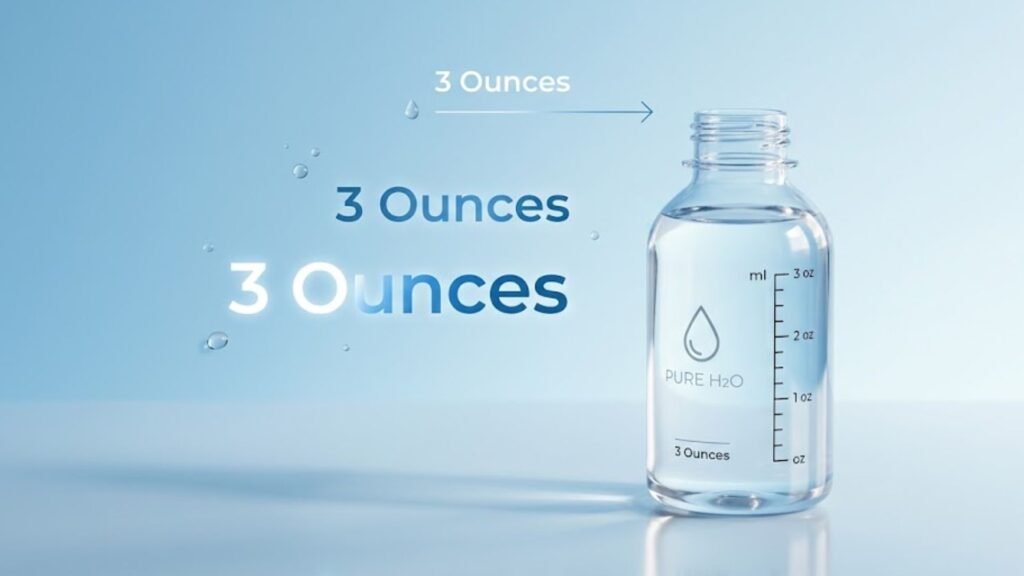
This weight frequently appears in daily life, especially in cooking, nutrition plans, mailing packages, travel-size products, and fitness meal prep. Understanding how heavy 3.5 ounces feels through real-life comparisons helps make measurements more practical and easier to visualize.
Read Also: 14 Most Common Things That Weigh About 500 Grams 2026
Things That Weigh About 3 Oz
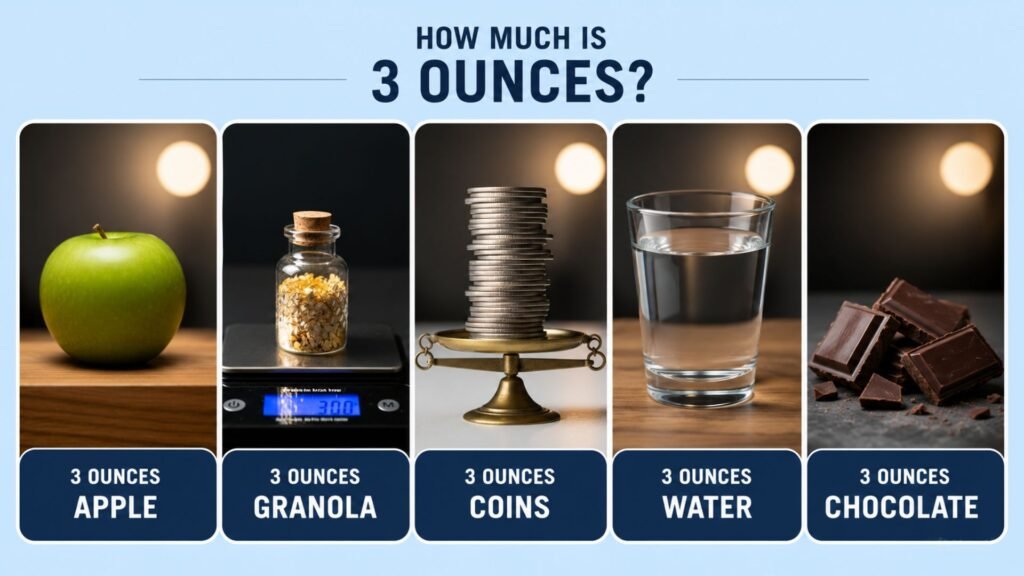
Many everyday objects weigh around 3 ounces, even though they may feel very light in your hand. Items like a small apple, a bar of soap, or a deck of playing cards are good examples of this weight. Comparing common things to 3 oz makes it much easier to picture and understand this small amount of weight in real life.
Two Large Eggs
Two large eggs typically weigh about 3 ounces, delivering a protein-packed punch that’s perfect for breakfast. When you crack them open, you not only get a delicious meal but also a versatile ingredient for baking or frying.
Each egg contains about 6 grams of protein, making them an excellent choice for anyone looking to boost their diet. Imagine crafting an omelet or a frittata bursting with veggies; those two eggs form the foundation of a nutritious feast.
Half A Small Chicken Breast
A portion of half a small chicken breast generally tips the scale at 3 ounces. This lean source of protein is ideal for anyone looking to maintain or build muscle. Cook it up on a grill for a delightful chicken salad or toss it into a stir-fry with your favorite veggies.
The satisfying texture and flavor make it a staple in many kitchens. Plus, with only about 22 grams of protein per 3 ounces, it’s a prime choice for post-workout recovery.
TV Remote Control
Did you know that a typical TV remote control also weighs around 3 ounces? It’s surprisingly hefty for something that seems so lightweight in your hand. This everyday object packs an array of buttons and functions that can turn your living room into a cinematic experience.
Balancing the weight of this gadget is interesting; it’s designed for comfort during extended couch sessions. Just think about how many hours we spend clicking through channels, all thanks to this unassuming device.
Small Jar Of Spices
A small jar of spices, like cayenne or oregano, also weighs about 3 ounces. These jars, often bursting with flavor, can dramatically elevate a dish from mundane to extraordinary.
Imagine a sprinkle of paprika over roasted vegetables or a dash of basil in a marinara sauce; even within this modest weight, the potential to enhance your culinary creations is limitless. Each jar not only packs power in its small size but also reflects cultural traditions and flavors from across the globe.
Twelve US Quarters
consider twelve US quarters, which collectively weigh about 3 ounces. This small collection of coins may seem light, but it has real purchasing power. Each quarter, worth 25 cents, adds up to $3.00, enough for a quick snack or a small coffee.
Besides their value, these coins are rich in history and design, often triggering nostalgia for those who grew up using physical currency before the digital age took over. Whether jiggling in your pocket or stacked on a counter, they represent not just weight, but also familiarity and utility in everyday life.
Read Also: How Heavy is 20 Kg? 17 Common Things That Are 20 Kilograms
Blue Jay
The Blue Jay, a vibrant bird often spotted flitting through trees, typically weighs around 3 ounces. Known for their striking blue and white plumage, these birds are not only visually stunning but also exhibit fascinating behaviors, such as mimicking the calls of other birds.
Their weight is comparable to a small handful of nuts, making them a lightweight yet powerful presence in their habitats, often seen in backyards where they add visual and auditory richness to the environment.
Bar Of Soap
A classic bar of soap also measures about 3 ounces, making it a staple in many households. This humble object serves dual purposes: keeping us clean and contributing to our self-care routines. Whether you prefer a fragrant lavender or a refreshing peppermint soap, it’s intriguing to note that this everyday item can have a significant impact on our well-being and mood.
Computer Mouse
The standard computer mouse, weighing in at 3 ounces, is often an overlooked hero in our daily grind. Designed for comfort and efficiency, this small tool facilitates our interaction with technology, allowing for precision in everything from browsing the web to creating graphic designs. Its lightweight design ensures ease of mobility, striking the perfect balance between functionality and convenience as we navigate our digital lives.
Three Slices Of Bread
Imagine three slices of bread, which collectively weigh approximately 3 ounces. Whether you’re crafting a classic sandwich or toasting them for breakfast, bread plays an essential role in many cuisines worldwide. It serves as a canvas for toppings, fillings, and spreads, transcending cultures and dietary preferences, while its texture and taste can elevate any meal to new heights.
A Deck Of Playing Cards
A standard deck of playing cards weighs about 3 ounces, making it a portable source of entertainment that can transform any gathering into a fun-filled experience. From poker nights to family games of Go Fish, this small but mighty item fosters connections and creates lasting memories. Its versatility is unmatched; you can play countless card games, each providing a unique social experience.
A Standard Lime or Lemon
A standard lime or lemon attracts the senses with its vibrant color and zesty aroma, all while weighing roughly 3 ounces. This citrus fruit is a kitchen staple, often used to enhance flavors in a variety of dishes from refreshing cocktails to tangy marinades. Additionally, their nutritional benefits, like high vitamin C content, make them a delightful and healthful addition to any meal.
A Small Apple
Consider a small apple that typically weighs around 3 ounces. This nutritious fruit is rich in fiber and vitamins, making it an easy and healthy snack choice. Whether you prefer the crispness of a Granny Smith or the sweetness of a Fuji, apples are versatile additions that fit perfectly into lunchboxes or can be enjoyed on the go.
A Travel-Size Shampoo Bottle
A travel-size shampoo bottle, weighing in at about 3 ounces, epitomizes convenience for those on the move. Perfect for weekend getaways or longer trips, these small containers allow us to maintain our haircare routines without the bulk of regular bottles. Their compact size proves essential when navigating airport security or stowing away in a carry-on.
A Standard Chocolate Bar
Did you know that a standard chocolate bar weighs roughly 3 ounces? This delightful treat is not only a source of pleasure but also centers around various social occasions, from celebrations to simple moments of self-indulgence. The rich combination of cocoa and sugar offers a sensory experience that can lift spirits and satisfy cravings, making it an iconic favorite among many.
A Small Avocado
A small avocado, typically about 3 ounces, holds a wealth of nutritional benefits packed within its creamy texture. Often used in salads, spreads, and brunch favorites like avocado toast, this small fruit is heralded for its healthy fats and versatility in various cuisines. Its growing popularity signifies a shift towards healthier eating habits, benefiting both individual well-being and culinary creativity.
A Handful of Almonds
Imagine holding a handful of almonds approximately 3 ounces of these nutrient-packed nuts. Almonds are not only a delicious snack but also a powerhouse of health benefits, providing a good source of vitamin E, magnesium, and healthy fats.
This small serving can be a great mid-afternoon pick-me-up, fueling your body with energy while keeping hunger at bay. You might also consider how this weight compares to other snacks; it’s about equivalent to a standard granola bar, making it easy to pick healthy options that satisfy.
A Small Onion
A small onion typically weighs around 3 ounces, making it a staple in many kitchens. Think about a recipe that calls for this amount of onion it’s just the right size to enhance the flavors without overwhelming the dish.
Whether you’re sautéing it for a savory pasta sauce or adding it to a fresh salad, this common vegetable plays a crucial role in elevating your meals. Furthermore, the weight is comparable to a medium-sized lime, another kitchen favorite known for its zest.
A Stack of 30 Sheets of Paper
When you picture a stack of 30 sheets of paper, you’re likely envisioning something that feels light yet substantial. Weighing roughly 3 ounces, this small stack can fit neatly in your hand, making it deceptively portable.
For students or office workers, this could be the amount needed for a quick report or notes, illustrating how everyday items can accumulate weight. Consider that this is equivalent to a small paperback book, making it an easy item to carry around without feeling burdensome.
A Compact LED Flashlight
A compact LED flashlight also weighs in at about 3 ounces, representing an essential tool for anyone who values preparedness. Lightweight yet bright, these flashlights are perfect for camping trips, unexpected power outages, or even late-night walks.
They prove that something small can have a big impact, especially when you consider how easily it can fit into your pocket or backpack. In fact, it’s about the same weight as a small digital camera, emphasizing how technology can be compact without sacrificing utility.
A Small Potato
Picture a small potato, often around 3 ounces in weight, which serves as a staple in countless cuisines. This humble vegetable can be boiled, baked, or mashed, showcasing its versatility. Weighing roughly the same as a tangerine, a small potato packs substantial nutrients, including potassium and vitamin C.
It can easily serve as a side dish or a foundation for more elaborate meals, reminding us of the importance of incorporating simple ingredients into our diets.
A Golf Ball and Tee
consider the pairing of a golf ball and tee, which together weigh around 3 ounces. This combination not only symbolizes leisure and sport but also represents the precision and skill required in the game of golf.
The ball itself is a perfect sphere, showcasing innovation in design to optimize aerodynamics. Weighing similar to a small apple, this duo may seem light, yet it underlines how even tiny objects can play significant roles in recreation and competition.
How to Measure 3 Ounces in the Kitchen
Measuring 3 ounces in the kitchen becomes much easier when you compare it to familiar foods and tools. For example, 3 ounces of chicken, beef, or fish is roughly the size of a deck of cards or the palm of your hand. If you are measuring liquids, 3 fluid ounces equals about 6 tablespoons or slightly less than half a cup.
Many people also use a digital kitchen scale for accurate portion sizes when cooking meals, baking desserts, or preparing healthy recipes. Everyday items like a small apple, a handful of almonds, or a standard soap bar can also help you visualize what 3 oz feels like in real life.
Why Knowing the Weight of 3 Ounces Matters for Portion Control
Understanding the weight of 3 ounces is important for maintaining healthy eating habits and proper portion control. Many nutrition experts recommend 3-ounce servings for foods like meat, cheese, nuts, and snacks because it helps reduce overeating while keeping meals balanced. For example, eating 3 ounces of grilled chicken instead of a much larger serving can lower calorie intake without sacrificing protein.

This measurement is also useful when tracking food for diet plans, fitness goals, or weight management. Recognizing what 3 oz looks like through real-life comparisons makes it easier to make smarter food choices every day.
3 Ounces in Cooking: Perfect Portion Sizes for Healthier Meals
In cooking, 3 ounces is considered one of the most practical and healthy serving sizes for many foods. A 3-ounce portion of salmon, turkey, steak, or tofu provides enough protein for a balanced meal without being excessive.
This amount is commonly used in recipes, meal prep plans, and restaurant nutrition guides because it supports healthier eating habits. For example, a 3-ounce burger patty, a small serving of pasta sauce with meat, or even 3 ounces of shredded cheese can fit perfectly into portion-controlled meals. Using proper measurements while cooking helps avoid waste, improves calorie awareness, and creates more balanced dishes.
Read Also: How Much Is 100 Feet? Understanding This Measurement in Real Life 2026
Everyday Situations Where 3 Ounces Appears
You may be surprised how often 3 ounces appears in everyday life. Small travel products like toothpaste, shampoo bottles, sunscreen, and lotions are often close to 3 oz, especially for airline travel regulations.
Many snack packs, canned foods, and packaged products are also sold in 3-ounce portions for convenience. Outside the kitchen, objects such as a tennis ball, a few AA batteries, a bar of soap, or a compact smartphone accessory can weigh around 3 ounces. These real-world comparisons make it easier to understand the size and weight of 3 oz in daily activities.
Converting 3 Ounces to Grams, Cups, and Tablespoons
To simplify your cooking or baking, converting 3 ounces into other measurements is essential. In terms of grams, 3 ounces equals approximately 85 grams, offering a precise understanding for recipes that rely on metric weights.
If you’re measuring out ingredients using cups, 3 ounces is about ⅜ of a cup, making it easier for those who prefer the volume measurements often used in baking. Likewise, this measure translates to 6 tablespoons, handy for liquid ingredients like broth or oil.
When you’re tackling recipes from various cuisines, converting 3 ounces can help avoid confusion. For example, in Italian cooking, if a recipe calls for 3 ounces of cheese, knowing it’s around 85 grams can make sourcing the right amount much simpler.
Whether you’re preparing a chicken breast or a chopped vegetable medley, understanding these conversions can streamline your meal prep process and ensure your dishes come out perfectly balanced.
Visual Tricks to Estimate Small Weights Quickly
Estimating small weights like 3 ounces can be done easily with a few visual tricks. One effective method is to remember that a standard ounce of meat is roughly the size of your thumb a simple 3 ounces would be about the size of your palm or a small handful. This technique is especially useful in meal prep, where precise measurements might not always be available.
Another visual trick is using common household items as reference points. For instance, a standard egg typically weighs around 2 ounces, so you can think of 1.5 eggs to get close to your 3-ounce target. This method is not only quick but also handy when you’re in a rush and trying to whip up a recipe without the hassle of pulling out a scale.
Common Foods That Are Close to 3 Ounces
Understanding portion sizes can significantly enhance your cooking experience, and there are several common foods that approximate 3 ounces. For instance, a small grilled chicken breast typically weighs about 3 ounces, making it perfect for salads or wraps.
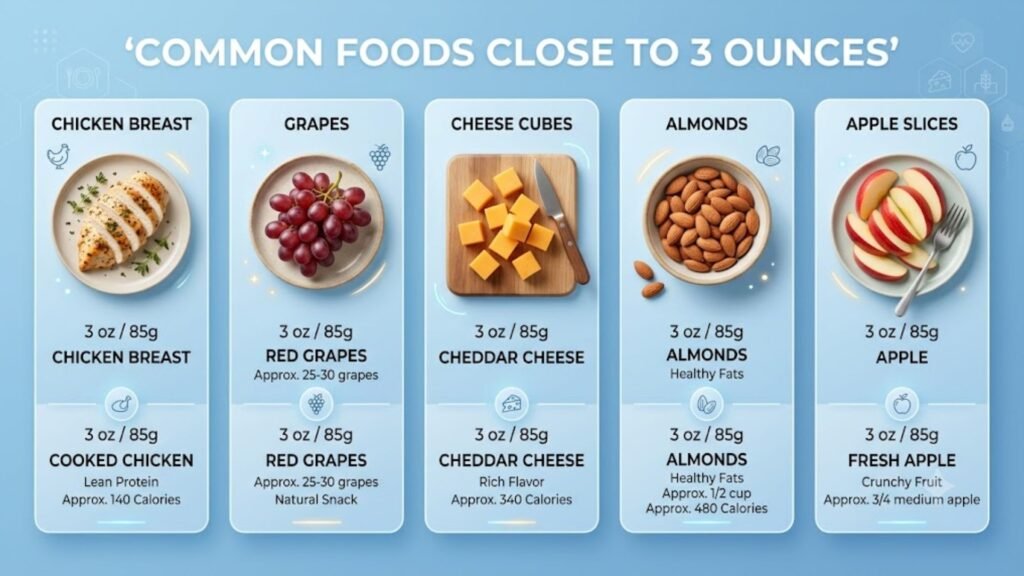
Another common food item that approximates 3 ounces is cooked pasta about a cup — ideal for servings that aren’t overly filling. This can also apply to nuts, where a small handful is typically around 1.5 ounces, leading to a rough estimate of 3 ounces with a handful and a half. By visualizing these common foods, you can easily gauge portion sizes for balanced meals.
Mistakes People Make When Estimating Small Weight
Many people underestimate the importance of accuracy when estimating small weights like 3 ounces. A common mistake is thinking that all foods with the same volume weigh the same, which isn’t true. For example, 3 ounces of flour occupies much more space than 3 ounces of butter, leading to potential pitfalls in baking where precise measurements are crucial for the chemistry involved.
Relying solely on visual estimation without considering the density or moisture content of foods can result in significant discrepancies. Many believe a handful of nuts or dried fruit equates to 3 ounces, yet different varieties can weigh significantly more. This kind of estimation not only impacts flavor but can also derail your nutritional goals, especially when portion control is key to maintaining a balanced diet.
FAQ’s
Is 3 oz Half a Cup?
No, 3 ounces is not half a cup; half a cup is equivalent to 4 ounces.
How Much Is 3 oz in ml?
3 ounces is approximately 89.79 milliliters (ml).
How Can I Measure 3 oz?
You can measure 3 ounces using a liquid measuring cup or a kitchen scale.
Is 3 oz 90 ml?
Yes, 3 oz is very close to 90 ml, as it’s roughly 89.79 ml.
What does 3 ounces look like?
3 ounces typically fills about 3/4 of a standard coffee mug or a shot glass.
Is 3 ounces the same as 3 tablespoons?
No, 3 ounces is not the same as 3 tablespoons; there are 2 tablespoons in an ounce, so 3 ounces equals 6 tablespoons.
How many grams are in 3 ounces?
There are approximately 85 grams in 3 ounces, depending on the substance being measured.
Conclusion
Now that you’ve explored these 13 common things that weigh 3 ounces, estimating this small weight should feel much easier. From everyday food items to useful household objects, real-world comparisons make ounces far more understandable than numbers alone.
Whether you’re measuring ingredients, checking luggage weight, or satisfying your curiosity, knowing what 3 ounces looks and feels like can be surprisingly helpful in daily life. The next time someone asks, “How much is 3 ounces?” you’ll already have plenty of practical examples ready to picture instantly.